From Policy to Place: Designing the Future of Neighbourhood Healthcare
By Matthew Hird, Head of Healthcare at TODD Architects
“The Government’s ambition for England to deliver 250 Neighbourhood Health Centres by 2035 represents one of the most significant opportunities to reshape healthcare delivery in a generation.
“By bringing preventative, primary, community, mental health and wider support services closer to home, the programme has the potential to improve access and create a more integrated model of care.”

Translating that ambition into a national network of successful facilities will require more than individual building projects. It demands a programme-wide approach that combines consistent standards with an understanding of different communities, services and existing estates.
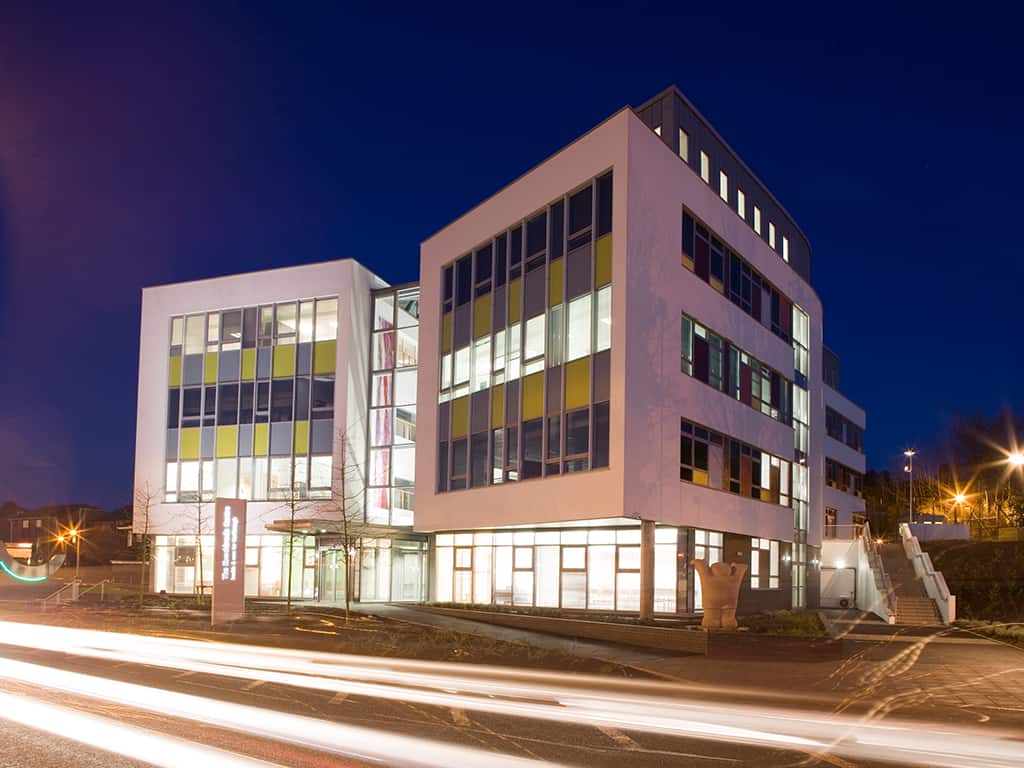
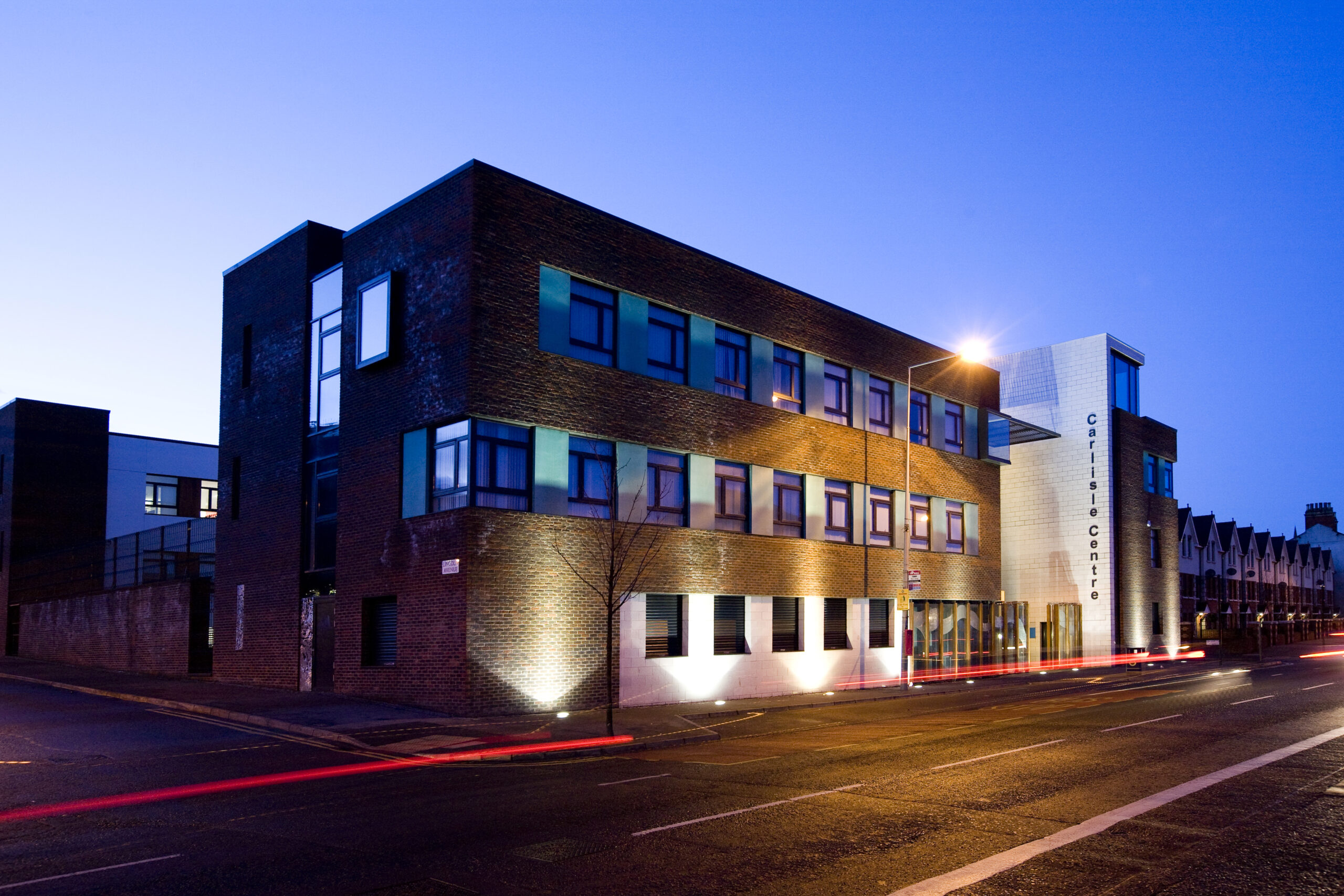
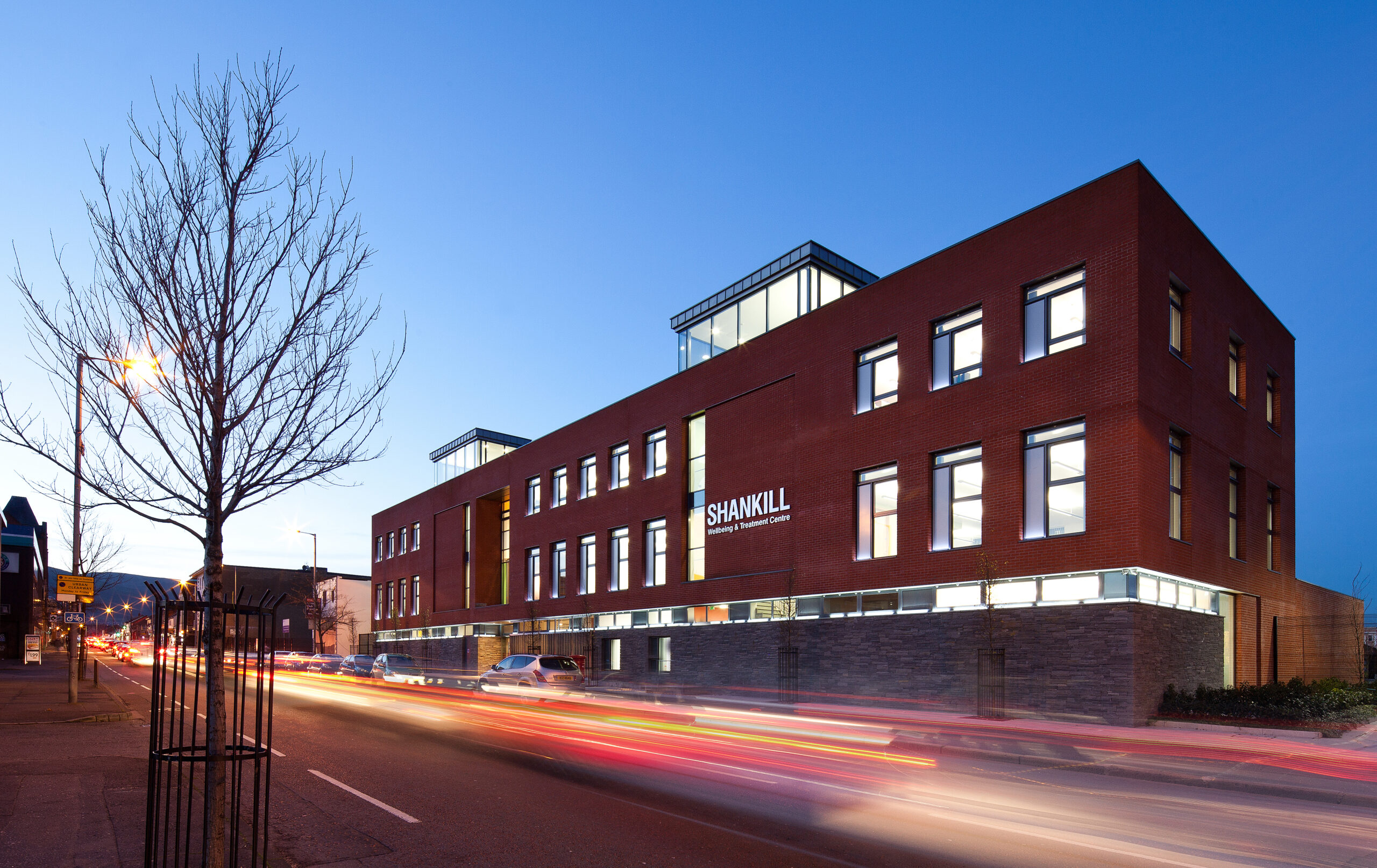
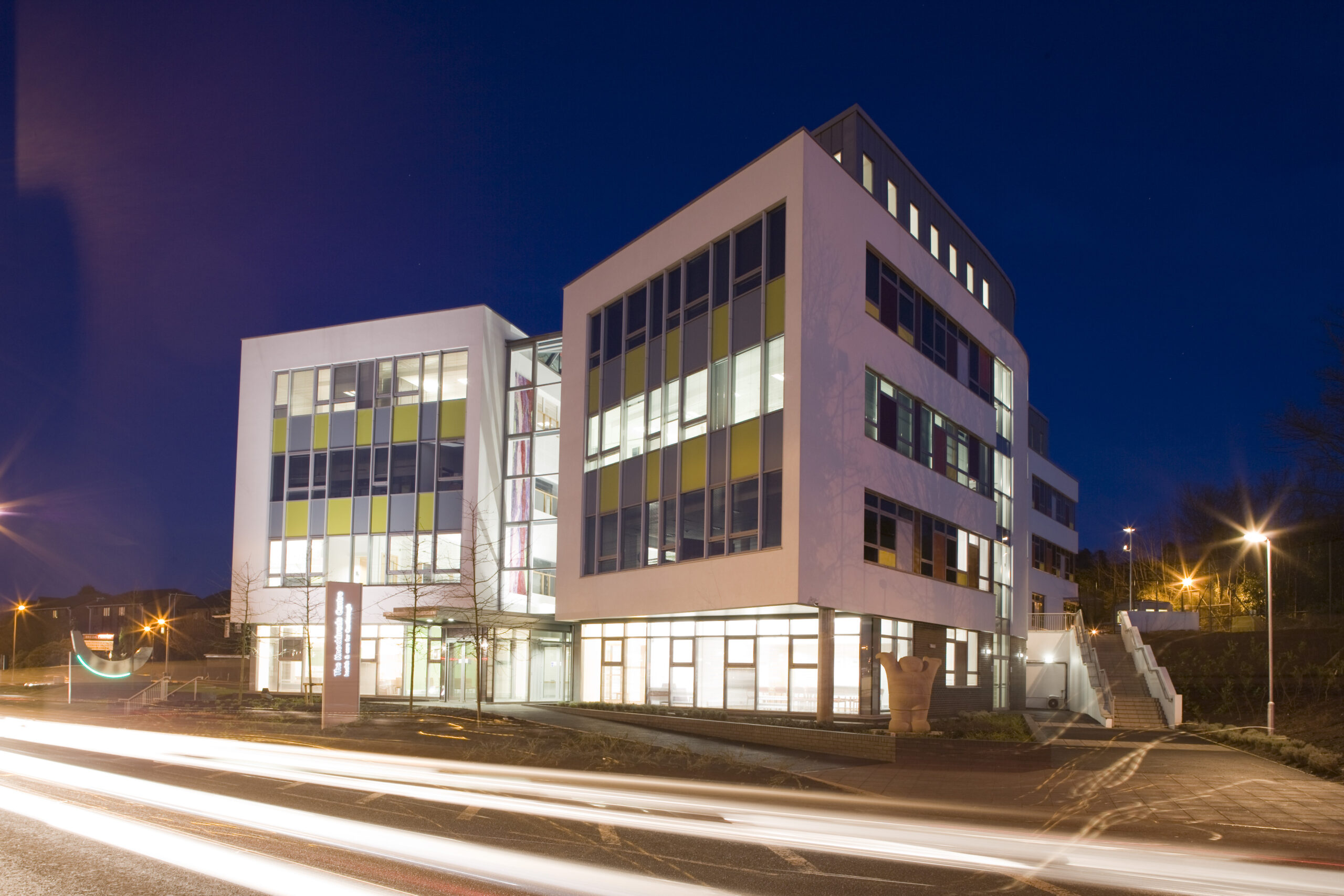
TODD Architects has direct experience of this challenge. Beginning with Belfast Health & Wellbeing Centre: The Arches, the practice delivered a series of health and wellbeing centres consecutively under Belfast’s original programme. Applying shared principles across different facilities while responding to each location provides a relevant precedent for the national programme now taking shape in England.
The Arches: longevity and programme delivery
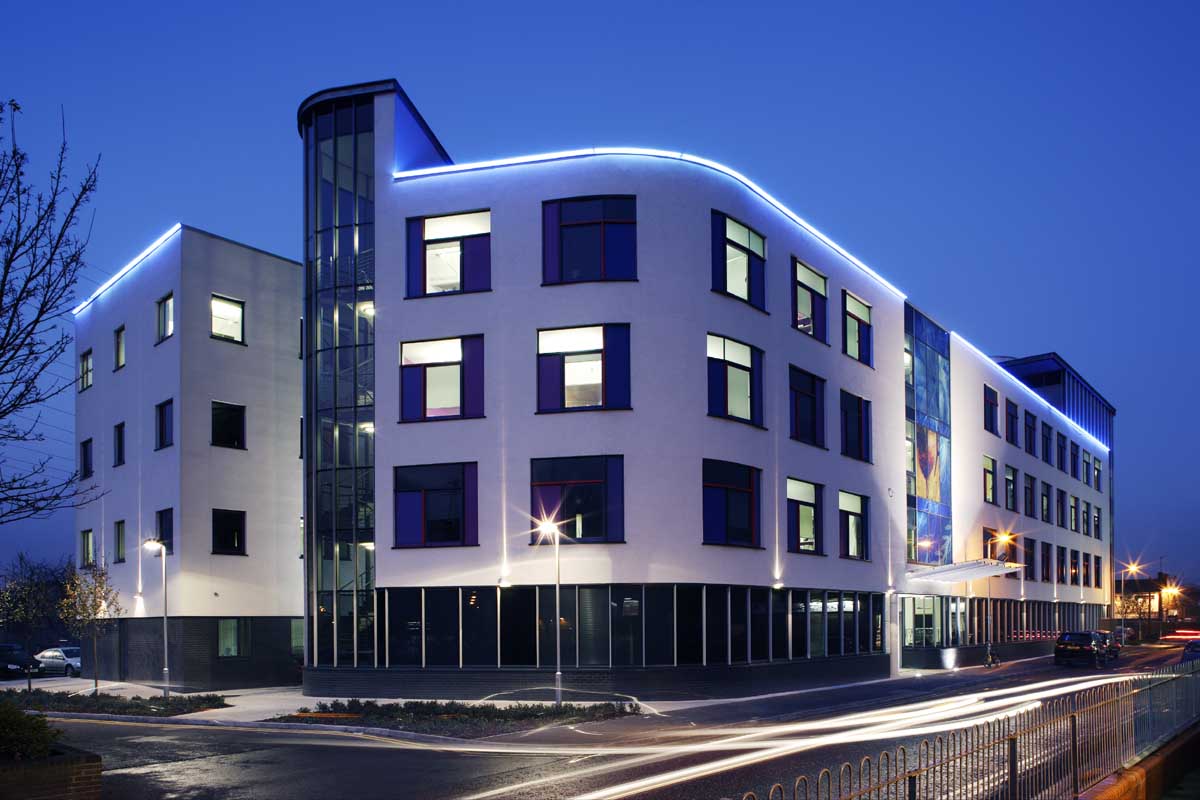
Completed in 2004 with Penoyre & Prasad, The Arches brought GP practices, dentistry, physiotherapy, community nursing, social care and specialist outpatient services together within a single facility.
The project won the 2006 Building Better Healthcare Award for Best Primary or Community Care Design. More than two decades later, its shortlisting for the 2026 Architecture Today Test of Time Awards provides further recognition of the enduring value of its approach.
Flexible planning, adaptable partitions and accessible servicing strategies have allowed approximately 6,300 square metres of accommodation to respond to evolving clinical needs without significant alteration. Its longevity demonstrates the importance of planning healthcare buildings for changing services, technology and patterns of use.
Driven forward by visionary John Cole, the five centres that followed also show how core principles can be applied consistently without producing identical facilities. This experience is directly relevant to delivering neighbourhood healthcare at scale while remaining responsive to local circumstances.
Omagh Hospital and Primary Care Facility: integration across levels of care
The Omagh Hospital and Primary Care Complex brought primary, community and acute care together on one site embracing a polyclinic typology but tailored to suit local geographical nuance and regional clinical requirements.
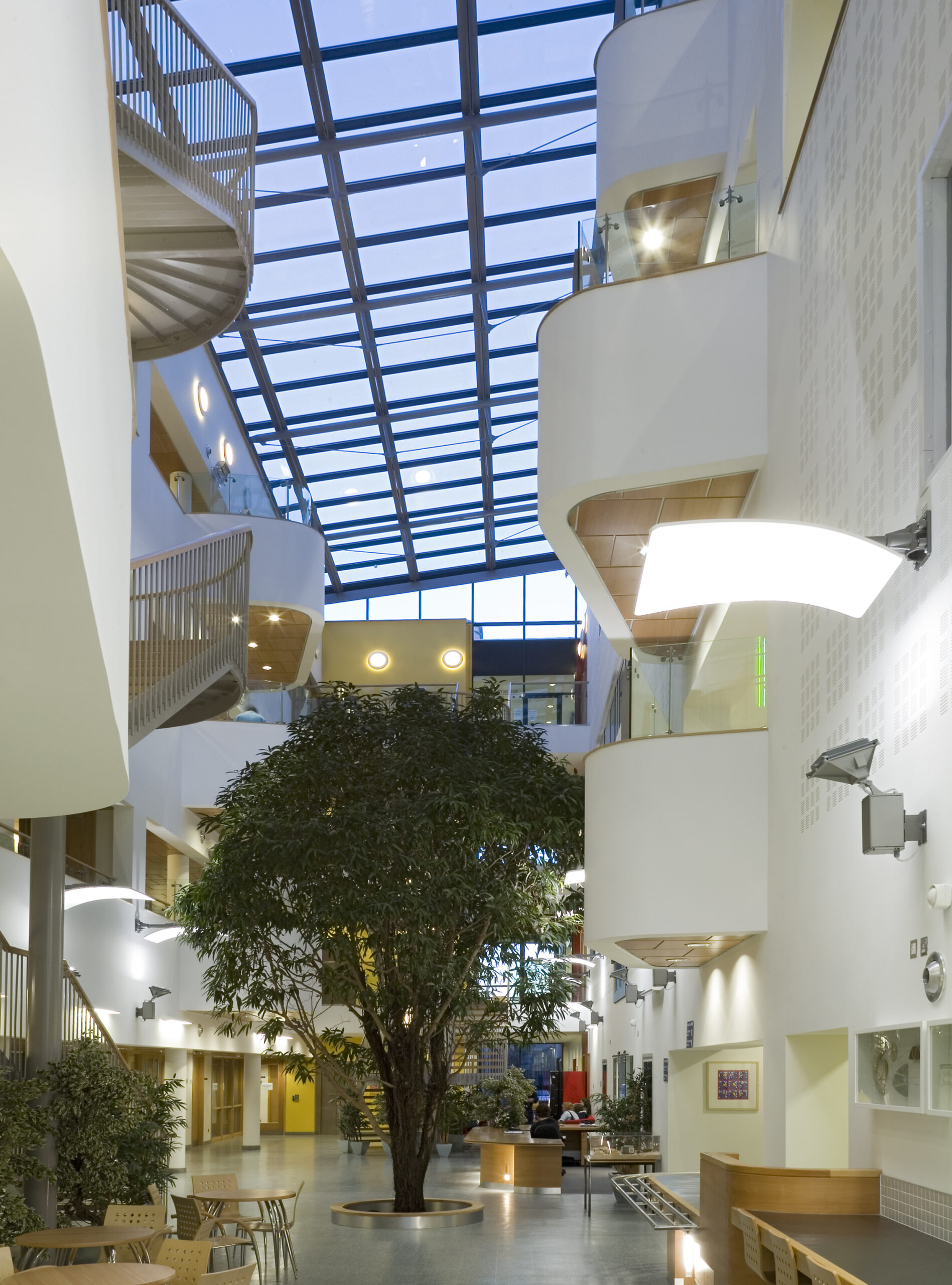
Its clear internal street, generous atrium, daylight-filled spaces and landscaped courtyards challenged the conventional. Circulation, visibility and intuitive wayfinding help patients navigate complex services while creating a more accessible and welcoming environment.
The project received RSUA, RIBA, RICS and European Healthcare Design awards. Where The Arches demonstrates adaptable community-based care, Omagh shows how integration can extend across different levels of healthcare provision and improve the experience of patients moving between them.
From national ambition to local delivery
For NHS organisations, integrated care boards and local authorities, the immediate task is to translate the national framework, in the form of the NHP Plan, into viable local projects. This requires an understanding of population needs, local current and future demographics, existing assets, service relationships, investment priorities and deliverability.
Each asset must nevertheless be assessed carefully. Condition, location, accessibility, clinical requirements, servicing capacity and whole-life value will determine whether adaptation offers the best solution.
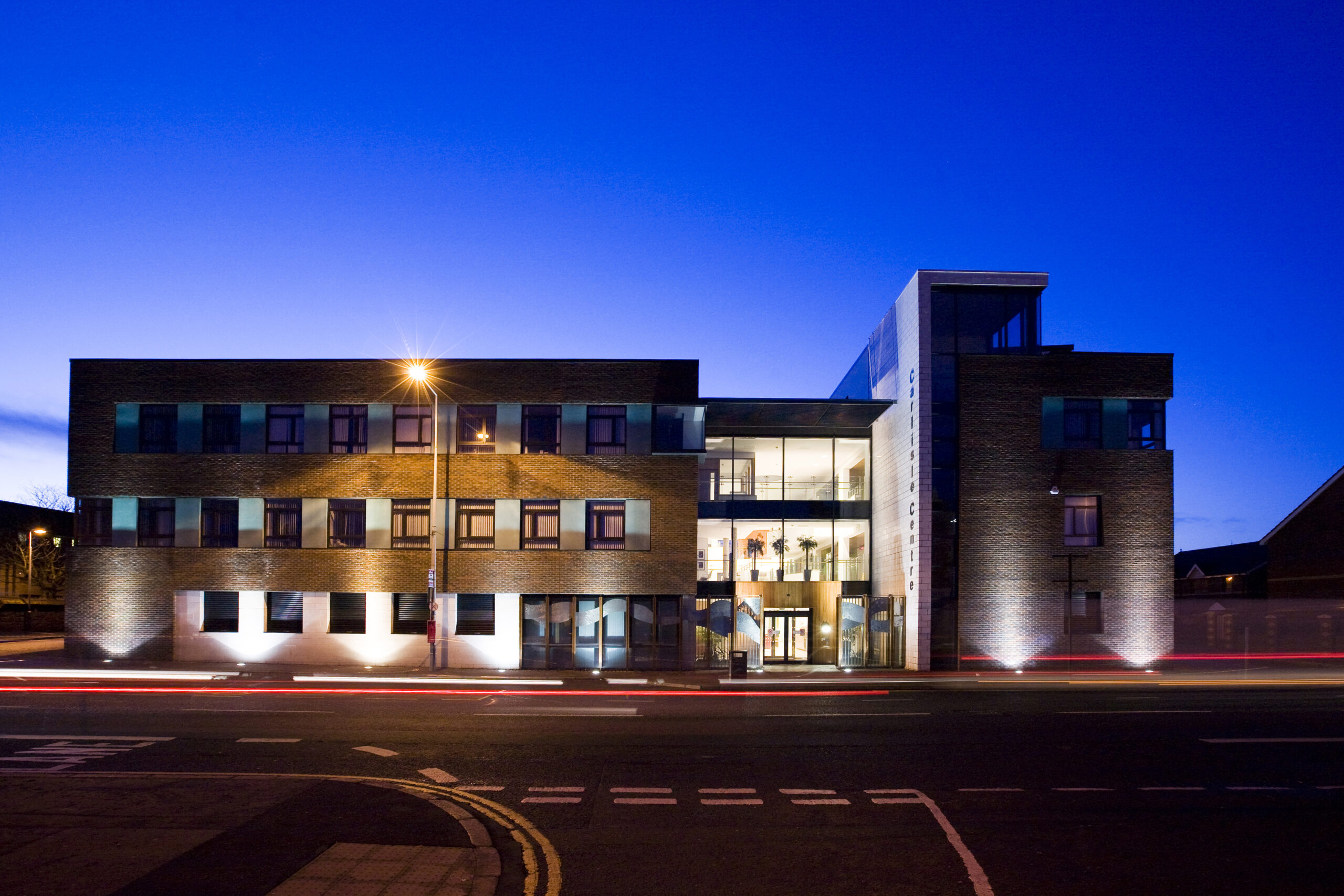
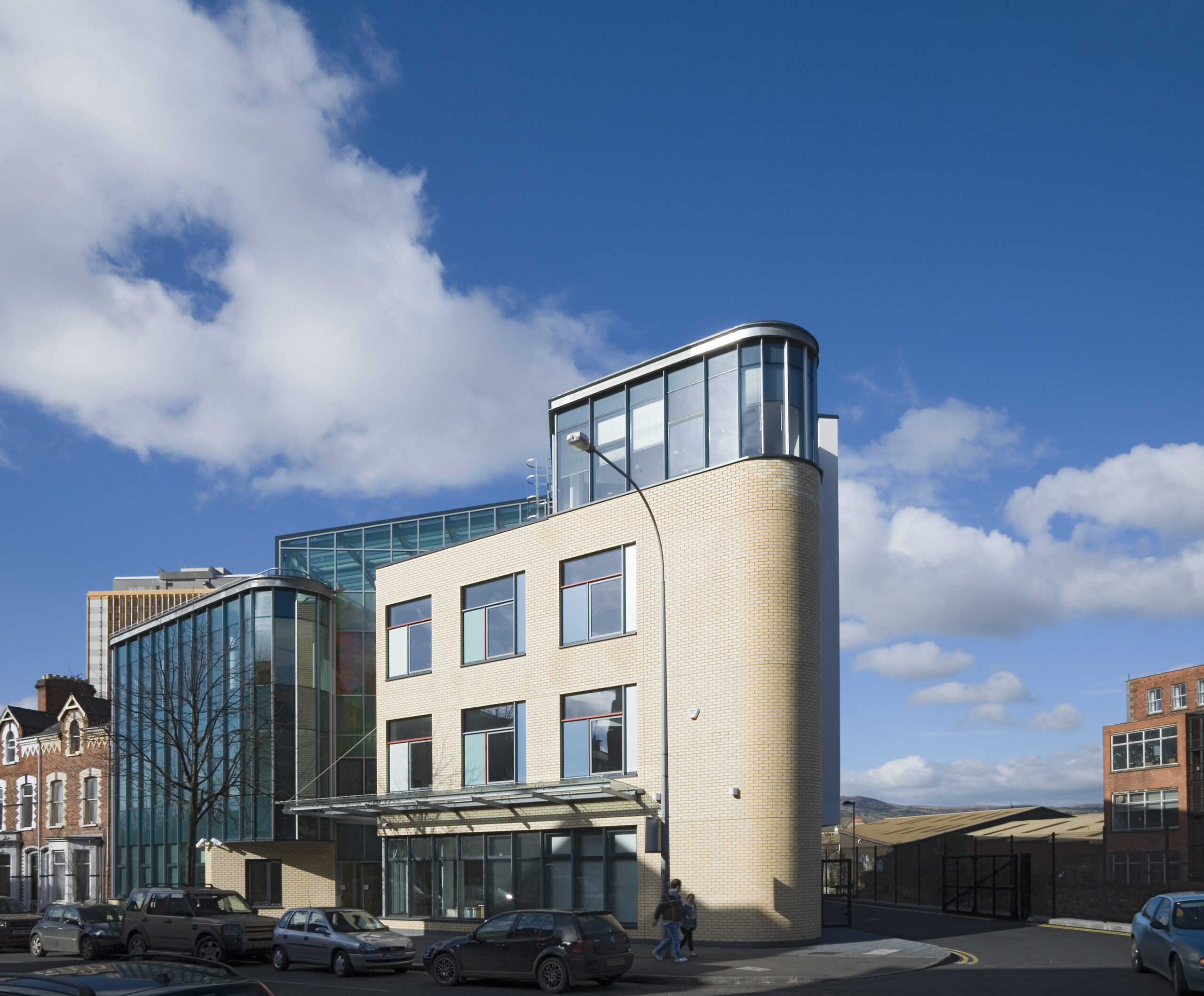
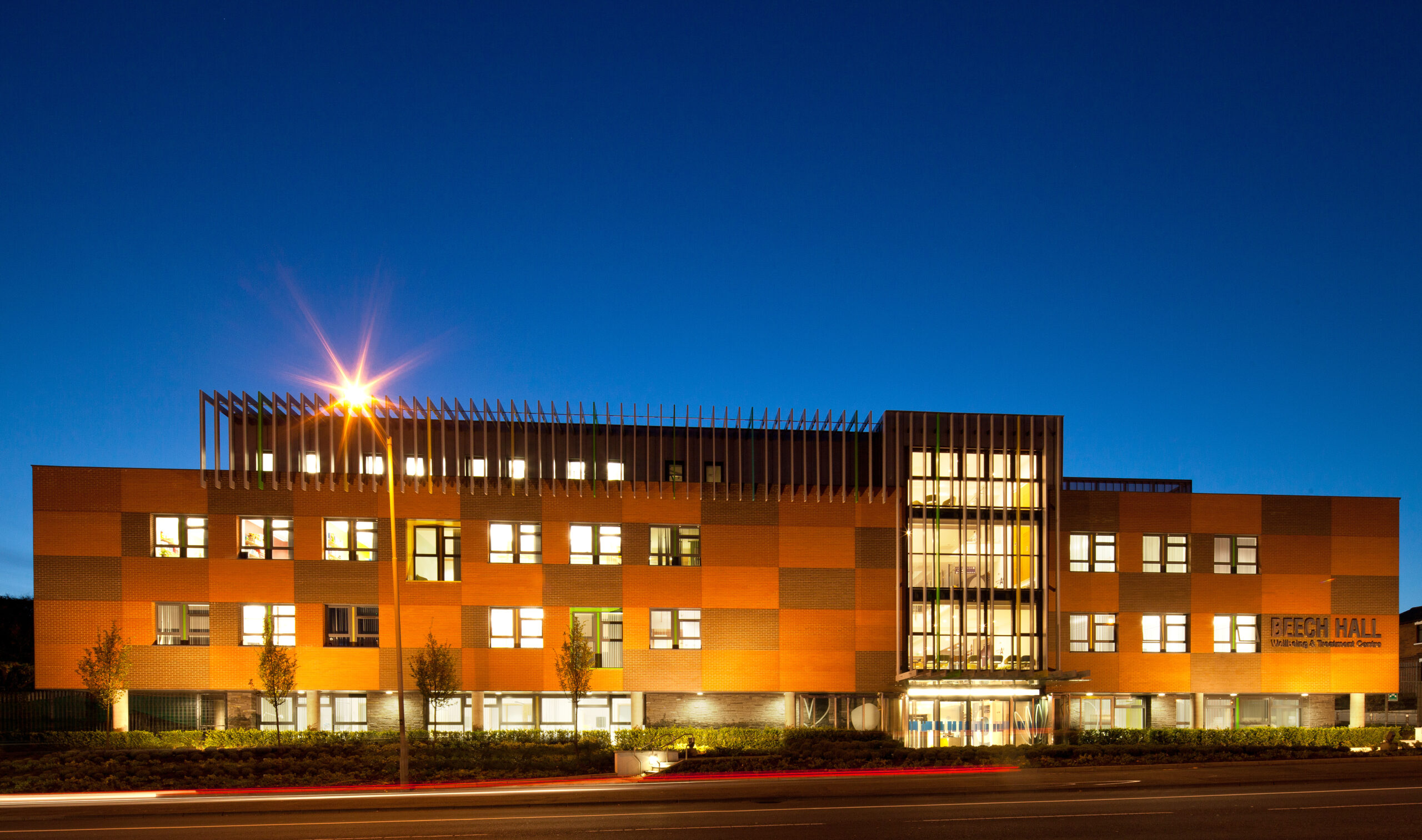
National specifications and archetypes have an important role to play in accelerating delivery and establishing consistent performance standards across the programme.Their success, however, will depend not only on what is standardised, but on what remains flexible. Design standards are primarily about safety, and can improve efficiency, consistency and value, but neighbourhood health centres must ultimately respond to local populations, existing estates and service demands. The most effective archetypes will provide a common framework while allowing places to retain their local identity and support different models of care. This balance between consistency and flexibility will be critical to creating facilities that are both repeatable and locally relevant.
As neighbourhood healthcare places greater emphasis on prevention, the focus naturally extends beyond healthcare buildings themselves to the wider places in which people live, work and socialise.
Turning ambition into lasting places
The Neighbourhood Health Centre programme offers an opportunity to create a lasting generation of community healthcare infrastructure across England.
Examples like The Arches and its sister schemes, demonstrate how shared principles can be delivered at scale, and Omagh Primary Care Complex shows how architecture can connect different levels of care through dialogue to create inspiration and credible facilities that respond to the local problems and address them.
Together, these projects provide practical lessons for translating national ambition into locally responsive, sustainable and adaptable healthcare environments.